
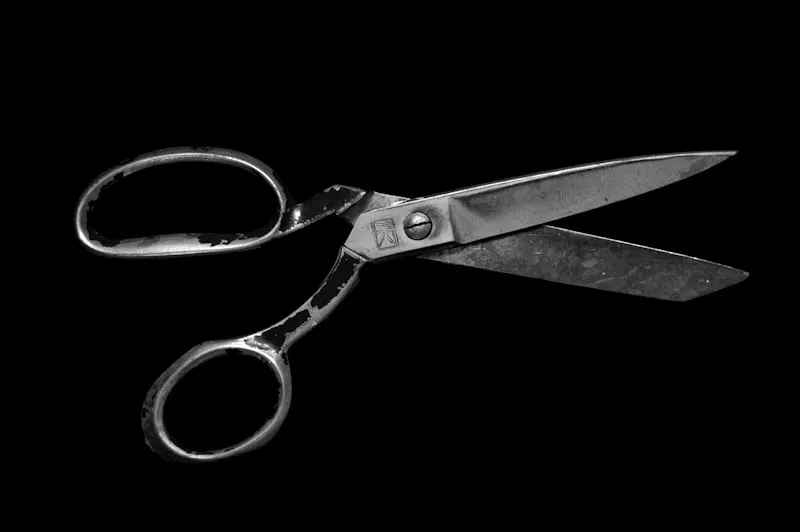
Every sewist knows that investing in quality cutting tools is as important as choosing the right sewing machine. The right pair of sewing scissors or fabric shears can mean the difference between clean, precise cuts and frayed edges that compromise your entire project. Whether you’re a beginner just building your tool collection or an experienced sewist looking to upgrade, this comprehensive guide will help you find the best sewing scissors and shears for your needs.
Understanding the Difference: Scissors vs. Shears
Before diving into specific product recommendations, it’s essential to understand the distinction between sewing scissors and fabric shears.
Fabric shears are typically 7-12 inches long with longer blades and handles designed so the bottom blade glides along your cutting surface without lifting the fabric. This design allows for smooth, accurate cuts through multiple layers of fabric. The handles are often asymmetrical, with one loop larger than the other to accommodate multiple fingers for better control and leverage.
Sewing scissors, on the other hand, are smaller (usually 4-6 inches) with symmetrical handles. They’re perfect for detailed work like clipping threads, trimming seam allowances, notching curves, and other precision tasks where maneuverability matters more than long, straight cuts.
Most sewists need both types in their toolkit. Shears handle the heavy lifting of cutting out pattern pieces, while scissors manage the finishing details.
What Makes the Best Sewing Scissors?
When evaluating scissors and shears for sewing, several key features distinguish exceptional tools from mediocre ones:
Blade Sharpness and Material
The best sewing scissors feature high-carbon stainless steel blades that hold a sharp edge through thousands of cuts. Premium brands often use materials like ice-tempered steel or titanium-enhanced alloys that resist dulling and corrosion. The blade edges should be precision-ground and micro-serrated (on some models) to grip fabric without slipping.
Ergonomic Handle Design
Since cutting fabric can be repetitive and physically demanding, ergonomic handles make a significant difference in comfort and reducing hand fatigue. Look for scissors with soft-grip handles, properly sized finger loops, and a design that aligns with your hand’s natural position. Left-handed sewists should seek out true left-handed scissors rather than trying to adapt right-handed tools.
Blade Length and Size
Your primary fabric shears should have blades between 8-10 inches for most sewing projects. Shorter lengths work well for quilting and detail work, while longer blades excel at cutting large pattern pieces and home decor fabrics. Your detail scissors should be 4-6 inches for precision work.
Weight and Balance
Well-designed scissors feel balanced in your hand, with weight distributed between the blades and handles. Too heavy, and your hand tires quickly; too light, and you may lack the control needed for clean cuts through thicker fabrics.
Top-Rated Sewing Scissors and Fabric Shears
Gingher 8-Inch Knife Edge Dressmaker’s Shears
Gingher has been a trusted name in sewing scissors since 1947, and their 8-inch knife edge dressmaker’s shears are considered the gold standard by many professional sewists and hobbyists alike.
These shears feature precision-ground, knife-edge blades made from high-quality steel that can cut through multiple layers of fabric with ease. The blades are double-plated with chrome over nickel for durability and rust resistance. The bent handle design keeps fabric flat on your cutting surface, ensuring accurate cuts without lifting or distorting the material.
Best for: All-purpose fabric cutting, pattern cutting, and working with medium to heavy-weight fabrics.
Pros:
- Exceptional sharpness out of the box
- Durable construction that lasts for years
- Classic design trusted by professionals
- Comfortable grip for extended cutting sessions
Cons:
- Higher price point than budget options
- Requires proper care and occasional professional sharpening
- May feel heavy for those with smaller hands
Fiskars 8-Inch Fabric Shears
Fiskars offers an excellent alternative for sewists seeking reliable performance at a more accessible price point. Their 8-inch fabric shears feature high-grade, precision-ground stainless steel blades with a proprietary blade coating that resists adhesive buildup and reduces friction.
The ergonomically designed handles include a soft-grip touchpoint and a larger finger loop for comfort during extended use. The bent handle design keeps the fabric flat while cutting, and the scissors come with a protective sheath for safe storage.
Best for: Budget-conscious sewists, beginners, and those who need reliable everyday shears.
Pros:
- Excellent value for money
- Lifetime warranty
- Comfortable soft-grip handles
- Cuts through multiple fabric layers cleanly
Cons:
- Not quite as sharp as premium Gingher shears
- May require more frequent sharpening with heavy use
- Handle design doesn’t fit all hand sizes perfectly
Gingher vs Fiskars Scissors: The Direct Comparison
The debate between Gingher and Fiskars scissors is common among sewing enthusiasts, and both brands have their devoted followers. Here’s how they compare:
Sharpness: Gingher shears typically arrive sharper and maintain their edge longer, though Fiskars performs admirably for most projects.
Durability: Both brands offer excellent durability, but Gingher’s all-metal construction often outlasts Fiskars, which incorporates plastic in the handles.
Price: Fiskars typically costs 40-60% less than comparable Gingher shears, making them attractive for beginners or those on a budget.
Comfort: This comes down to personal preference. Some prefer Gingher’s traditional design, while others find Fiskars’ modern ergonomics more comfortable.
Warranty: Fiskars offers a lifetime warranty, while Gingher provides a limited warranty and excellent repair services.
Verdict: If budget allows, Gingher shears are worth the investment for serious sewists who will use them frequently. Fiskars offers exceptional value and performance for those not ready to make the premium investment or who sew less frequently.
Kai 7230 10-Inch Professional Shears
For those seeking premium performance beyond the Gingher standard, Kai’s professional shears from Japan represent the pinnacle of cutting technology. These 10-inch shears feature ultra-sharp blades made from a proprietary Japanese steel alloy.
The elongated blade design makes quick work of cutting large pattern pieces, while the precision-ground edges glide through silk, cotton, wool, and even multiple layers of denim. The soft-grip handles reduce hand fatigue during marathon cutting sessions.
Best for: Professional sewists, those working with difficult fabrics, cutting large yardage, and serious sewists who want the absolute best.
Pros:
- Extremely sharp blades that stay sharp
- Cuts effortlessly through challenging fabrics
- Beautiful craftsmanship
- Comfortable even during extended use
Cons:
- Premium price point
- Longer length may be unwieldy for small projects
- Requires careful maintenance
Gingher 4-Inch Embroidery Scissors
While the focus is often on large shears, every sewist needs quality detail scissors. Gingher’s 4-inch embroidery scissors are perfect for precision work.
These scissors feature sharp, pointed blades ideal for intricate cutting, thread clipping, and detail work. The smaller size provides excellent control for tasks like clipping into curves, trimming seam allowances, and cutting buttonholes. The double-plated chrome over nickel finish resists wear and corrosion.
Best for: Detail work, embroidery, appliqué, thread clipping, and precision cutting tasks.
Pros:
- Extremely precise cutting
- Sharp points reach tight spaces
- Durable construction
- Comfortable for detailed work
Cons:
- Not suitable for cutting large pieces
- Higher price for small scissors
- Requires careful storage to protect points
Fiskars Micro-Tip Pruning Snips
An unconventional choice, Fiskars’ micro-tip pruning snips have gained a devoted following among quilters and precision sewists. Originally designed for gardening, these snips excel at detailed cutting tasks.
The spring-action design reduces hand fatigue, while the ultra-sharp, pointed blades cut precisely. The easy-action mechanism requires minimal force, making them ideal for those with arthritis or hand strength issues. They’re perfect for snipping threads at the machine or cutting small appliqué pieces.
Best for: Thread snipping, small detail work, quilting, and those with limited hand strength.
Pros:
- Spring action reduces hand fatigue
- Very affordable
- Precise micro-tip blades
- Requires minimal grip strength
Cons:
- Not suitable for cutting fabric
- Small cutting capacity
- Spring mechanism may wear over time
Specialized Scissors for Specific Sewing Tasks
Pinking Shears
Pinking shears create a zigzag edge that helps prevent fabric fraying. While modern sergers and zigzag stitches have reduced their necessity, pinking shears still have their place for quick finishing of non-raveling seams and creating decorative edges.
Top pick: Fiskars 8-Inch Pinking Shears offer reliable performance at a reasonable price, with sharp blades that create clean zigzag edges.
Appliqué Scissors
Appliqué scissors feature a special “duckbill” or paddle blade that slides between fabric layers, allowing you to trim top layers without cutting the bottom fabric. This design is invaluable for appliqué work and trimming seam allowances.
Top pick: Gingher 6-Inch Appliqué Scissors provide professional-grade performance with comfortable handles and perfectly aligned blades.
Thread Snips
Small, spring-loaded thread snips keep at your sewing machine station for quick thread trimming. They’re faster than regular scissors for this specific task.
Top pick: Both the basic Fiskars Thread Snips and more ergonomic Gingher Thread Nips are excellent choices depending on your budget and preference.
Caring for Your Sewing Scissors
The best sewing scissors are an investment that will last decades with proper care. Follow these guidelines to keep your scissors performing at their best:
The Cardinal Rule: Fabric Only
Never use your fabric scissors on anything but fabric. Paper, plastic, and other materials quickly dull the blades. Keep a separate pair of scissors for cutting patterns and other non-fabric materials. Many sewists mark their fabric scissors with colored tape or ribbon to ensure family members don’t borrow them for other tasks.
Regular Cleaning
Lint and fabric fibers can accumulate at the screw pivot point, affecting smooth operation. Periodically wipe your scissors clean and apply a tiny drop of sewing machine oil to the pivot point. Wipe away any excess oil before using on fabric.
Proper Storage
Store scissors in a protective case or sheath to protect the blades from damage. Magnetic wall strips, individual pouches, or dedicated scissor blocks all work well. Avoid tossing scissors loose in a drawer where blades can bang against other tools.
Professional Sharpening
Even the best scissors eventually need sharpening. Rather than attempting DIY sharpening, which can damage the blade angles, invest in professional sharpening. Many fabric stores offer sharpening services, or you can mail scissors to professional services. Quality shears like Gingher can be sharpened many times and last a lifetime.
Lubrication
The pivot point should move smoothly but not be loose. If scissors feel stiff, a tiny drop of oil on the pivot point will restore smooth action. If they’re too loose, some scissors allow tightening of the pivot screw.
Buying Guide: Choosing the Right Scissors for Your Needs
For Beginners
If you’re just starting your sewing journey, you don’t need to invest in the most expensive tools immediately. Start with:
- One pair of 8-inch Fiskars fabric shears for general cutting
- One pair of 4-5 inch detail scissors for thread clipping and small cuts
- One inexpensive paper scissors for cutting patterns
As your skills develop and you determine how often you sew, you can upgrade to premium scissors like Gingher.
For Quilters
Quilting involves cutting many straight lines and working with multiple fabric layers. Quilters benefit from:
- 8-10 inch fabric shears with very sharp blades for cutting strips and large pieces
- Rotary cutters for precision cutting (though this guide focuses on scissors)
- 4-6 inch detail scissors for trimming thread and small pieces
- Thread snips to keep at your machine or cutting table
For Garment Sewists
Garment sewing requires versatile cutting tools for various tasks:
- 8-inch bent-handle dressmaker’s shears for cutting pattern pieces
- Appliqué scissors for trimming seam allowances and detail work
- Sharp detail scissors for clipping curves and buttonholes
- Thread snips for quick trimming at the machine
For Those with Hand Strength Issues
If you have arthritis, carpal tunnel, or other conditions affecting hand strength and dexterity:
- Look for spring-loaded scissors that reduce the effort required
- Choose lightweight options with ergonomic soft-grip handles
- Consider electric scissors for extensive cutting projects
- Micro-tip snips require minimal grip strength for detail work
Understanding Scissor Features and Terminology
Bent vs. Straight Handle
Bent handle scissors (also called knife-edge) have handles positioned above the blade level, allowing the bottom blade to rest flat on your cutting surface. This design is ideal for cutting fabric yardage and pattern pieces because the fabric stays flat and undistorted. Most fabric shears use this design.
Straight handle scissors have handles in line with the blades. This design offers better visibility and control for detailed work, making it ideal for embroidery scissors, appliqué scissors, and other precision tools.
Micro-Serrated vs. Smooth Blades
Micro-serrated blades have tiny teeth along the cutting edge that grip slippery fabrics like silk, satin, and synthetic materials, preventing them from sliding. This feature is helpful but not essential for most sewists.
Smooth blades provide the cleanest cut and work well with all fabric types when properly sharpened. Most traditional sewing scissors feature smooth blades.
Ice-Tempered Steel
Ice tempering is a heat treatment process that makes steel harder and more durable. Ice-tempered blades hold their edge longer and resist damage better than non-treated blades. This feature is worth seeking out in premium scissors.
Budget Considerations: When to Spend More
Sewing scissors represent a wide price range, from $10 to over $200. Here’s when it makes sense to invest more:
Invest in quality shears if:
- You sew frequently (weekly or more)
- You work with expensive fabrics where cutting mistakes are costly
- You’ve been sewing for a while and know you’ll continue
- You experience hand fatigue with cheaper scissors
- You need professional results
Budget options work well if:
- You’re just starting and exploring whether you enjoy sewing
- You sew occasionally for simple projects
- Your projects use inexpensive fabrics
- You’re building a basic toolkit on a limited budget
Remember that quality scissors, properly cared for, last decades. A $100 pair of Gingher shears used regularly for 20+ years costs less than replacing $20 scissors every few years.
Common Scissor Problems and Solutions
Scissors Won’t Cut Smoothly
If your scissors seem to chew or drag rather than cut cleanly, the blades likely need sharpening. Don’t attempt to continue using dull scissors—they can damage fabric and make the problem worse. Have them professionally sharpened or, if they’re inexpensive scissors, replace them.
Scissors Cut at the Tips but Not Near the Pivot
This issue indicates the scissors need tightening or adjustment at the pivot screw. Some scissors allow you to tighten this yourself with a small screwdriver. If they’re too tight, they won’t open smoothly; too loose, and the blades separate during cutting.
Fabric Slips While Cutting
Slippery fabrics can be challenging to cut. Try using scissors with micro-serrated blades designed to grip fabric. You can also place tissue paper under the fabric while cutting, which helps prevent slipping and provides a cutting guide for sheer fabrics.
Left-Handed Cutting Difficulties
If you’re left-handed and using right-handed scissors, you’re fighting against the tool’s design. Invest in true left-handed scissors—not ambidextrous scissors, which don’t work well for anyone. True left-handed scissors have reversed blades so you can see your cutting line and apply pressure in the correct direction.
Maintaining Multiple Pairs of Scissors
Most experienced sewists maintain several pairs of scissors for different tasks:
- Primary fabric shears: Your best 8-10 inch shears, reserved exclusively for cutting fabric
- Everyday fabric scissors: A good but less expensive pair for general cutting when you don’t need absolute precision
- Detail scissors: Small scissors for clipping threads, notching seams, and precision work
- Pattern scissors: Dedicated scissors for cutting paper patterns, template plastic, and non-fabric materials
- Special task scissors: Pinking shears, appliqué scissors, or other specialized tools based on your sewing focus
This approach ensures you always have the right tool for each task and helps preserve your best scissors for when they matter most.
The Environmental Impact of Quality Tools
Investing in high-quality scissors that last for decades is an environmentally conscious choice. Cheap scissors that dull quickly and need frequent replacement contribute to landfill waste and consume resources in manufacturing and shipping.
Quality scissors from reputable brands like Gingher and Kai can be sharpened multiple times, repaired if damaged, and passed down to the next generation. This sustainability, combined with superior performance, makes premium scissors worth considering even if the initial investment seems high.
Final Recommendations
After reviewing the best sewing scissors and fabric shears on the market, here are our final recommendations:
Best Overall Fabric Shears: Gingher 8-Inch Knife Edge Dressmaker’s Shears offer unmatched quality, durability, and performance that justifies the investment for serious sewists.
Best Value: Fiskars 8-Inch Fabric Shears provide excellent performance at an accessible price point, perfect for beginners or those on a budget.
Best Premium Option: Kai 7230 10-Inch Professional Shears deliver exceptional cutting performance for those who demand the absolute best and work with challenging fabrics.
Best Detail Scissors: Gingher 4-Inch Embroidery Scissors offer precision and durability for detailed work.
Best for Arthritis: Fiskars Micro-Tip Pruning Snips provide spring action that reduces hand fatigue and requires minimal grip strength.
Remember, the best sewing scissors for you depend on your specific needs, budget, and how frequently you sew. Whatever you choose, proper care and maintenance will ensure your scissors serve you well for years to come. Invest in quality tools, reserve them for fabric only, and they’ll reward you with perfect cuts on every project.
Whether you choose the time-tested reliability of Gingher or the modern value of Fiskars, having sharp, well-maintained scissors is essential to sewing success. Now that you understand what makes the best sewing scissors and shears, you can make an informed decision and enjoy clean, precise cuts on all your sewing projects.
Should I buy Gingher or Fiskars scissors as a beginner?
For beginners, Fiskars 8-inch fabric shears are an excellent starting point. They offer reliable performance, comfortable ergonomics, and a lifetime warranty at a price point that won't break the bank while you're building your skills. Once you've been sewing regularly for 6-12 months and are confident you'll continue, upgrading to Gingher shears makes sense as a long-term investment. Many experienced sewists keep both—Fiskars for everyday projects and Gingher for premium fabrics or precision work. Start with quality scissors you can afford, learn proper cutting techniques and care, then upgrade when your skills and commitment to sewing justify the investment.
How often should sewing scissors be sharpened?
The frequency of sharpening depends on how often you sew and what fabrics you cut. For someone sewing several hours per week, professional sharpening every 1-2 years maintains optimal performance. Occasional sewists may only need sharpening every 3-5 years. Signs your scissors need sharpening include fabric chewing rather than cutting cleanly, requiring extra pressure to cut, or fabric slipping between the blades. Never continue using dull scissors—they damage fabric and make cutting harder on your hands. Quality scissors like Gingher can be sharpened dozens of times over their lifetime. Many fabric stores offer sharpening services, or you can mail scissors to professional sharpening companies. The cost ($10-20 typically) is a worthwhile investment to restore your scissors to like-new condition.
Can I use kitchen scissors or regular scissors for cutting fabric?
While you can technically cut fabric with any scissors, it's not recommended. Kitchen and office scissors have different blade angles, less sharp edges, and designs optimized for cutting food or paper rather than fabric. Using them results in less precise cuts, frayed edges, and hand fatigue because you have to apply more pressure. Additionally, using fabric scissors on non-fabric materials quickly dulls the blades. The small investment in dedicated fabric scissors pays off immediately in cleaner cuts, less wasted fabric from mistakes, and reduced hand strain. If budget is a concern, even an affordable pair of Fiskars fabric shears ($20-30) will dramatically outperform kitchen scissors. Keep your fabric scissors dedicated to fabric only, and use separate scissors for cutting patterns, tape, or other materials. This preservation extends their life and maintains cutting performance.
What's the difference between dressmaker's shears and regular fabric scissors?
The main differences are blade length, handle design, and intended use. Dressmaker's shears typically measure 7-12 inches with a bent handle design that keeps the bottom blade flat against your cutting surface while your hand stays elevated. This design prevents lifting fabric during cutting, ensuring accuracy when cutting pattern pieces. The handles are often asymmetrical with a larger lower loop for multiple fingers, providing better control and leverage through thick fabrics. Regular fabric scissors are shorter (4-6 inches), have symmetrical handles, and are designed for detailed work like clipping threads, trimming seam allowances, and cutting curves. Most sewists need both types in their toolkit—shears for cutting out pattern pieces and large fabric sections, scissors for precision work and finishing tasks. For more about essential sewing tools, check our guide on understanding needle sizes.