
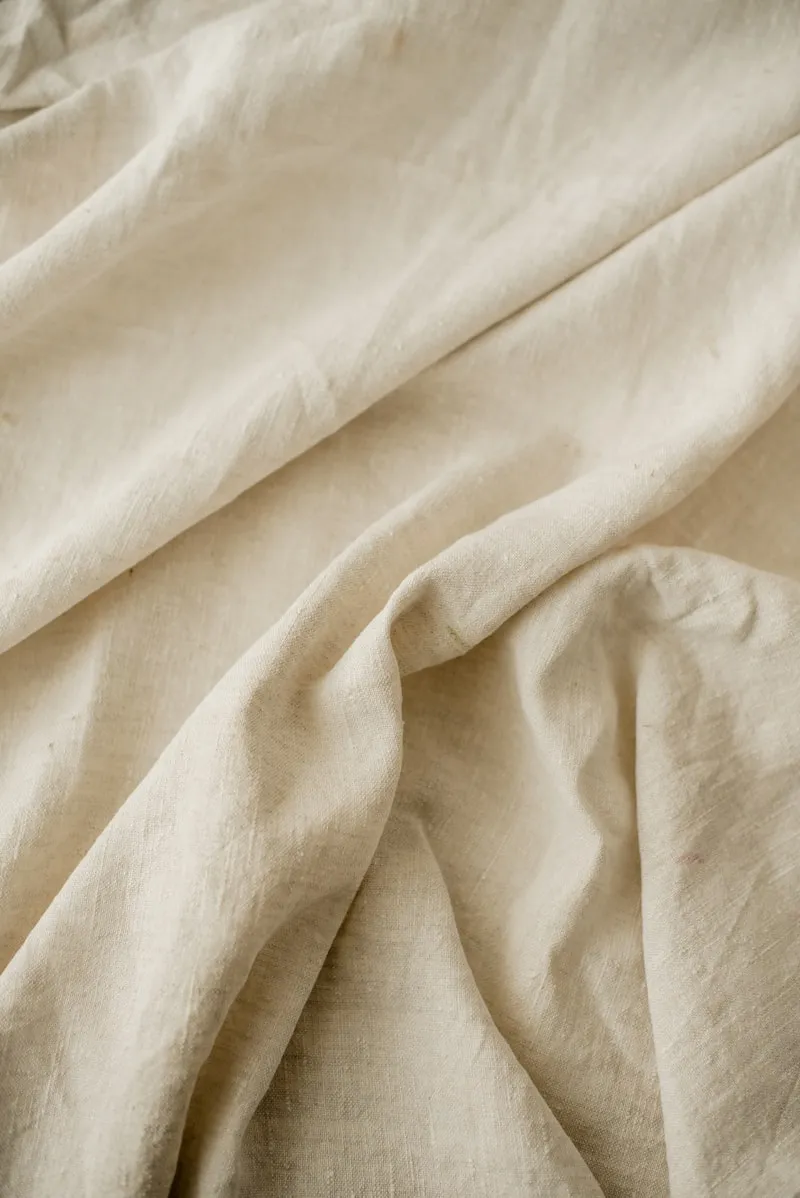
Pre-washing fabric is one of those steps that separates beginner sewists from experienced makers. Skip it, and you might end up with a beautiful garment that shrinks two sizes after the first wash. Take the time to prep your fabric properly, and you’ll ensure your handmade pieces last for years.
Should You Prewash Fabric?
The short answer is: almost always, yes. Pre-washing fabric serves several critical purposes that directly impact the quality and longevity of your finished project.
Why you should prewash fabric:
- Prevents shrinkage - Most natural fibers shrink when washed, sometimes up to 10% for cotton and linen
- Removes excess dye - Prevents color bleeding that could ruin your garment or other laundry items
- Eliminates chemicals - Manufacturers often treat fabrics with sizing, finishes, and preservatives
- Reveals true texture - Some fabrics feel completely different after washing
- Pre-shrinks interfacing - If you’re using fusible interfacing, pre-wash it too to prevent puckering later
However, there are exceptions. Fabrics like silk dupioni, wool suiting, and dry-clean-only materials should not be pre-washed at home.
How to Prewash Fabric: The Complete Process
Step 1: Check the Fabric Content and Care Label
Before you do anything, identify your fabric type. Natural fibers (cotton, linen, wool) and synthetics (polyester, nylon) require different treatment. If your fabric came with a care label or you purchased it from a bolt, note the fiber content and any washing instructions.
Step 2: Serge or Zigzag the Raw Edges
This step prevents excessive fraying during the wash cycle. Use a serger or zigzag stitch along all four edges of your fabric. For knits, this step is less critical but still helpful for woven fabrics that fray easily.
If you don’t have time to finish all edges, at least secure the cut ends where the fabric is most likely to unravel.
Step 3: Wash According to Fabric Type
How to Prewash Cotton Fabric
Cotton is the most straightforward fabric to prewash:
- Use warm or hot water (the same temperature you’ll use for the finished garment)
- Add regular laundry detergent
- Use a normal wash cycle
- Dry on medium to high heat, or the same setting you’ll use for the finished item
For dark or vibrant cotton prints, wash separately the first time to check for color bleeding. If the water runs clear, you’re good to go. If not, continue washing until the water stays clear, or consider using a color catcher sheet.
How to Prewash Linen
Linen can shrink significantly, sometimes up to 10%, so pre-washing is essential:
- Wash in warm water with mild detergent
- Avoid overcrowding the washing machine
- Tumble dry on medium heat or line dry
- Remove from dryer while slightly damp to reduce wrinkles
Note that linen naturally wrinkles and softens beautifully with each wash. Embrace the relaxed texture.
How to Prewash Knit Fabrics
Knits require gentle handling to prevent stretching:
- Use cool or lukewarm water
- Select a gentle or delicate cycle
- Use mild detergent
- Place in a mesh laundry bag to prevent tangling
- Lay flat to dry or use low heat in the dryer
Never hang wet knits, as this will stretch them out of shape.
How to Prewash Wool
Most wool fabrics should be dry-cleaned, but washable wool and wool blends can be pre-washed at home:
- Use cool water only
- Add wool-specific detergent (regular detergent can felt wool)
- Use the gentlest cycle or hand wash
- Never agitate or wring wool
- Lay flat to dry on a towel
Skip pre-washing for wool suiting, coating, or any fabric labeled “dry clean only.”
How to Prewash Delicate Fabrics
For silk, rayon, and other delicate fabrics:
- Washable silk and rayon: Hand wash in cool water with gentle detergent, roll in a towel to remove excess water, and lay flat to dry
- Silk dupioni, taffeta, or brocade: Do not pre-wash; dry clean only
- Synthetic fabrics (polyester, nylon): Generally don’t require pre-washing as they don’t shrink, but you may want to wash them to remove chemicals and sizing
Step 4: Dry Thoroughly
Dry your fabric using the same method you’ll use for the finished garment. If you plan to tumble dry your completed project, dry the fabric on the same heat setting now. This ensures all shrinkage happens before you cut.
For fabrics you plan to line dry or hand wash, don’t put them in the dryer during the pre-wash stage.
Step 5: Press and Square Up
After washing and drying, your fabric may be wrinkled and slightly off-grain. Press the entire piece with an iron appropriate for the fabric type:
- Cotton and linen: Hot iron with steam
- Synthetics: Low to medium heat, no steam
- Wool: Medium heat with a press cloth
- Silk: Low heat, iron on the wrong side
Once pressed, check if your fabric is on-grain. The crosswise and lengthwise threads should be perpendicular. If the fabric is off-grain, gently pull it diagonally in the opposite direction to straighten it.
Special Cases: When NOT to Prewash Fabric
Dry Clean Only Fabrics
Fabrics labeled “dry clean only” should not be pre-washed at home. Instead, either:
- Send a small swatch to the dry cleaner to test for shrinkage
- Plan to dry clean the finished garment exclusively
- Choose a different fabric if you prefer washable garments
Fabrics with Special Finishes
Some fabrics are treated with water-resistant coatings, crispness (organdy), or decorative finishes that washing will remove. If you want to preserve these characteristics, skip the pre-wash.
Fabrics for Structured Garments
Tailored jackets, coats, and structured dresses often use fabrics with body and crispness. Pre-washing may remove the sizing that gives these fabrics their desirable hand. Consider spot-cleaning or dry-cleaning these garments instead.
Pre-Washing Interfacing and Notions
Don’t forget about the other materials in your project:
Fusible interfacing: Pre-shrink fusible interfacing by soaking it in hot water for 15 minutes, then laying it flat to dry. Do not agitate or wring, as this can damage the adhesive.
Woven interfacing: Wash and dry the same way as your fashion fabric.
Zippers, buttons, and trims: Generally don’t need pre-washing, but if you’re concerned about color bleeding from ribbon or trim, test a small piece first.
Prevent Fabric Shrinkage: Best Practices
To minimize shrinkage and ensure your projects fit perfectly:
- Always pre-wash natural fibers - Cotton, linen, and rayon are the biggest culprits for shrinkage
- Use the same water temperature - Wash and dry your fabric using the same settings you’ll use for the finished garment
- Account for residual shrinkage - Even after pre-washing, some fabrics may shrink slightly more; add 1-2 inches to your fabric requirements
- Test a swatch - If you’re unsure, wash a small piece first and measure before and after
- Read the bolt end - Many fabric stores include fiber content and care instructions on the end of the bolt
What Happens If You Skip Pre-Washing?
I’ve learned this lesson the hard way, and so have countless other sewists:
- Size changes: A perfectly fitted dress becomes unwearable after one wash
- Color bleeding: A white collar turns pink from a red bodice
- Puckering: Interfacing shrinks differently than the fashion fabric, causing bubbles and waves
- Texture changes: Crisp fabrics become soft, or soft fabrics become stiff
- Grain distortion: The fabric pulls off-grain, causing twisted side seams
Time-Saving Tips for Pre-Washing Multiple Fabrics
If you buy fabric ahead of projects (guilty!), pre-wash everything as soon as you get home:
- Wash similar colors and fabric types together
- Label fabrics with fiber content and yardage using safety pins and paper tags
- Fold and store pre-washed fabric separately so you know it’s ready to use
- Keep a “not yet washed” bin for new fabric purchases