
If you’ve spent any time in the sewing community, you’ve probably heard experienced sewists talk about making a “muslin” before cutting into their expensive fabric. But what is muslin fabric, and why is it considered an essential tool in every sewist’s arsenal?
In this comprehensive guide, we’ll explore everything you need to know about muslin fabric, its various uses in sewing, and how to create a toile to ensure your garments fit perfectly every time.
What is Muslin Fabric?
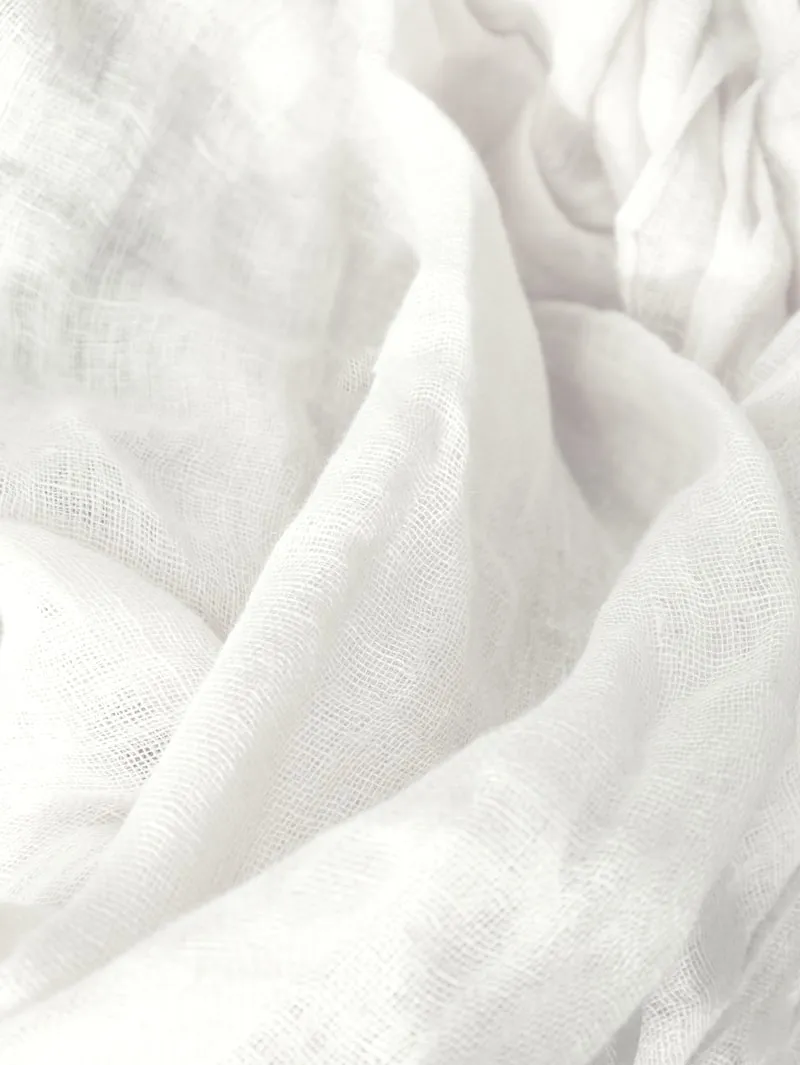
Muslin fabric is a plain-weave cotton fabric that ranges from sheer to coarse textures. Originally produced in the city of Mosul, Iraq (from which it gets its name), muslin has been used for centuries in textile production and garment construction.
Characteristics of Muslin Fabric
Muslin fabric typically has the following properties:
- Plain weave construction: Simple over-under weaving pattern that creates a stable, easy-to-work-with fabric
- 100% cotton content: Natural fiber that breathes well and drapes similarly to many fashion fabrics
- Variety of weights: Available in lightweight (2-3 oz), medium weight (4-6 oz), and heavyweight (7+ oz)
- Undyed or natural color: Usually comes in off-white or natural cream, though bleached white versions exist
- Affordable price point: Significantly cheaper than fashion fabrics, making it ideal for testing
Types of Muslin Fabric
Not all muslin is created equal. Here are the main types you’ll encounter:
- Sheer muslin: Lightweight and semi-transparent, often used for underlining delicate fabrics
- Medium muslin: The most common weight for making test garments and toiles
- Heavyweight muslin: Coarser texture, suitable for testing structured garments like jackets
- Bleached muslin: Bright white finish, sometimes preferred for visibility of markings
Why Muslin Fabric is Essential for Sewists
Understanding what muslin fabric is helps explain why it’s become the go-to material for test garments. Here’s why every sewist needs muslin in their stash:
Perfect Your Fit Before Cutting Expensive Fabric
The primary reason sewists use muslin is to test pattern fit without wasting precious fashion fabric. A yard of quality silk or wool can cost $30-$100 or more, while muslin typically costs $3-$8 per yard.
By sewing a muslin first, you can:
- Identify fitting issues in the bodice, shoulders, or waistline
- Adjust for body asymmetries
- Experiment with design changes
- Build confidence before working with intimidating fabrics
Test Construction Techniques
Muslin provides an excellent practice ground for trying new sewing techniques. Whether you’re attempting:
- Welt pockets for the first time
- A complicated collar attachment
- Princess seams or darts in a new configuration
- Zipper insertion methods
Working through these techniques on muslin first means fewer seam ripper sessions on your final garment.
Achieve Professional Draping
Fashion designers and couture sewists use muslin fabric for draping directly on a dress form. The fabric’s neutral color and plain weave make it easy to see how the fabric falls and where adjustments are needed.
What is a Toile? Understanding the Muslin Mock-Up
In the sewing world, the terms “muslin” and “toile” are often used interchangeably, though they have slightly different origins.
Toile (pronounced “twall”) is a French word meaning “cloth” or “canvas.” In fashion terminology, it refers to a test garment made to check fit and design before creating the final version.
While “toile” can technically refer to a test garment made from any fabric, most sewists use the term to mean the same thing as a “muslin”—a practice version sewn in inexpensive fabric.
When Should You Make a Toile?
Not every project requires sewing a toile, but you should strongly consider making one when:
- Using a pattern for the first time: Even if you’re familiar with a brand, each pattern fits differently
- Working with expensive or difficult fabric: Silk charmeuse, leather, or specialty fabrics deserve the insurance of a test run
- Making significant pattern modifications: Combining patterns, changing necklines, or altering silhouettes
- Sewing for someone else: Critical when you can’t easily do multiple fittings
- Creating garments that require precise fit: Blazers, fitted dresses, or formal wear
You might skip the muslin for:
- Simple, loose-fitting garments like basic skirts or casual tops
- Projects using very inexpensive fabric
- Patterns you’ve made multiple times with successful results
How to Sew a Toile: Step-by-Step Guide
Learning how to sew a toile properly will save you countless hours and prevent fabric waste. Here’s a comprehensive approach:
Step 1: Choose the Right Muslin Weight
Select muslin fabric that approximates the weight and drape of your fashion fabric:
- Lightweight muslin for chiffon, silk, or rayon projects
- Medium muslin for quilting cotton, linen, or medium-weight wools
- Heavyweight muslin for denim, canvas, or coating fabrics
Step 2: Cut Your Toile Pieces
When cutting muslin for a toile:
- Cut only the main pattern pieces (skip facings, linings, or pockets unless they affect fit)
- Transfer all important markings: notches, darts, grainlines, and balance marks
- Use a contrasting thread or fabric marker for high visibility
- Include seam allowances—you’ll need them for adjustments
Step 3: Sew the Toile with Proper Technique
Even though this is a test garment, sew it correctly:
- Use a standard stitch length (2.5mm) so seams are easy to remove if needed
- Sew darts and seams accurately following the pattern instructions
- Press as you go—unpressed muslin won’t show you accurate drape or fit
- Skip time-consuming finishes like bias binding or buttonholes unless they affect fit
Pro tip: Use a basting stitch (4mm stitch length) on seams you’re likely to adjust. This makes unpicking much faster.
Step 4: Fit and Mark Adjustments
Try on your toile and evaluate the fit:
- Wear appropriate undergarments and shoes
- Pin the garment closed if it will have buttons or a zipper
- Move, sit, and bend to check comfort and mobility
- Use pins or a fabric pen to mark needed adjustments
Common adjustments to look for:
- Shoulder seams sitting in the right position
- Bust darts pointing to the fullest part of the bust
- Waistline hitting at your natural waist
- Enough ease for movement without excess fabric
- Sleeve cap setting smoothly without pulling or bunching
Step 5: Transfer Adjustments to Your Pattern
This is the crucial step that makes your toile worthwhile:
- Measure the amount you pinned in or let out
- Transfer these measurements to your paper pattern
- Make a new muslin if you made substantial changes (more than 1 inch in any direction)
- Label your pattern with the adjustments and date for future reference
Muslin Fabric Uses Beyond Test Garments
While creating toiles is the most common use, muslin fabric has many other applications in sewing:
Underlining and Stabilizing
Add body and structure to flimsy fashion fabrics by underlining them with muslin. This technique works beautifully for:
- Adding stability to loosely woven fabrics
- Preventing sheerness in lightweight materials
- Creating a foundation for heavily embellished fabrics
- Supporting button and buttonhole areas
Pattern Making and Draping
Professional pattern makers use muslin fabric to drape original designs on dress forms. The fabric’s neutral appearance and stable weave make it ideal for creating custom patterns from scratch.
Quilt Backings and Foundations
Many quilters use muslin for:
- Quilt backings (especially wide muslin at 108“ or 120“ width)
- Foundation piecing bases
- Practice quilting stitches before moving to the final project
Home Decor Projects
Muslin’s durability and affordable price make it perfect for:
- Dust covers for stored garments or furniture
- Draft curtains or window liners
- Slipcovers and furniture protectors
- Embroidery or painting practice fabric
Costume and Theater Production
Theater costume departments rely heavily on muslin fabric for creating mock-ups and first versions of elaborate costumes, allowing designers to refine fit and design before using final materials.
Choosing Quality Muslin Fabric
Not all muslin is equal in quality. Here’s what to look for:
Thread Count and Weight
- Lower thread count (less than 100): More affordable but may be loosely woven and prone to distortion
- Medium thread count (100-180): Best balance of affordability and quality for most toiles
- Higher thread count (200+): Smoother, more refined, better for fine garments but more expensive
Bleached vs. Unbleached
- Unbleached/natural muslin: Off-white color, slightly softer, more environmentally friendly
- Bleached muslin: Bright white, shows markings more clearly, slightly stiffer
Pre-Washing Considerations
Always pre-wash muslin before sewing a toile. Cotton muslin can shrink 3-5% in both length and width. Pre-washing ensures:
- Accurate fit measurements
- Removal of sizing and chemicals
- Softer hand for better drape assessment
How to pre-wash muslin:
- Machine wash in warm water with a small amount of detergent
- Dry on medium heat or line dry
- Press while slightly damp for easier handling
- Trim any raveled edges before cutting
Common Mistakes When Sewing a Toile
Avoid these pitfalls to get the most from your muslin fabric:
Skipping the Toile When You Really Need It
The most expensive mistake is cutting directly into costly fabric without testing. If you’re unsure, err on the side of making a muslin—you’ll never regret the extra preparation.
Using Muslin That Doesn’t Match Your Fashion Fabric
Testing a flowing maxi dress in stiff, heavyweight muslin won’t give you useful fit information. Always match the weight and drape characteristics.
Being Too Sloppy with Construction
While you don’t need couture finishing on a toile, sloppy sewing with inaccurate seam allowances defeats the purpose. Sew precisely enough to evaluate real fit.
Not Pressing Your Toile
Unpressed seams and darts create bulk that won’t exist in your final garment. Press each seam before fitting for accurate results.
Forgetting to Transfer Adjustments
A fitted toile is worthless if you don’t record the changes. Take time to carefully transfer every adjustment to your pattern before disassembling the muslin.
Alternatives to Traditional Muslin Fabric
While muslin is the classic choice, you might consider these alternatives:
Fashion Fabric Scraps
If you have large scraps of fabric similar to your project fabric, they can work well for partial toiles (testing just a bodice, for example).
Old Bedsheets
Clean, worn cotton sheets approximate medium-weight muslin and cost nothing if you’re repurposing from your linen closet. Avoid polyester blends, which won’t behave like cotton or linen fashion fabrics.
Gingham or Calico
These printed cotton fabrics are sometimes cheaper than muslin and offer the advantage of visible grainlines built into the pattern, making it easier to spot if pieces are cut off-grain.
When to Splurge on Fashion Fabric for Your Toile
For very specialized fabrics like leather, vinyl, or heavily structured materials, you may need to make your toile from the actual fashion fabric or something very similar. In these cases, buy extra yardage or seek out discount/remnant options.
Storing and Reusing Muslin Fabric
Muslin fabric is economical, but you can stretch your budget further:
Keep a Muslin Archive
Don’t throw away fitted toiles! Store them labeled with:
- Pattern name and size
- Date sewn
- Specific adjustments made
- Body measurements at time of fitting
These become your personal fitting reference and can be used again if making the same pattern or comparing fit across patterns.
Repurpose Scraps
Small muslin pieces are perfect for:
- Pressing cloths (especially when dampened)
- Thread catchers for your sewing machine
- Stabilizer for embroidery practice
- Cleaning cloths for your workspace
Buy Muslin in Bulk
If you regularly sew toiles, purchase muslin by the bolt or in larger quantities (10+ yards). The per-yard cost drops significantly, and you’ll always have it on hand.
Taking Your Skills Further
Understanding what muslin fabric is and how to sew a toile is a foundational skill that separates hobbyist sewists from those creating professional-quality garments. As you build confidence with muslin work, you’ll find:
- Greater willingness to work with luxury fabrics
- Improved understanding of how garments are constructed
- Better ability to customize patterns to your unique body
- More successful finished garments that you’ll actually wear
Start incorporating muslin fabric into your sewing practice, and you’ll quickly see why generations of sewists have relied on this humble fabric to achieve extraordinary results.