
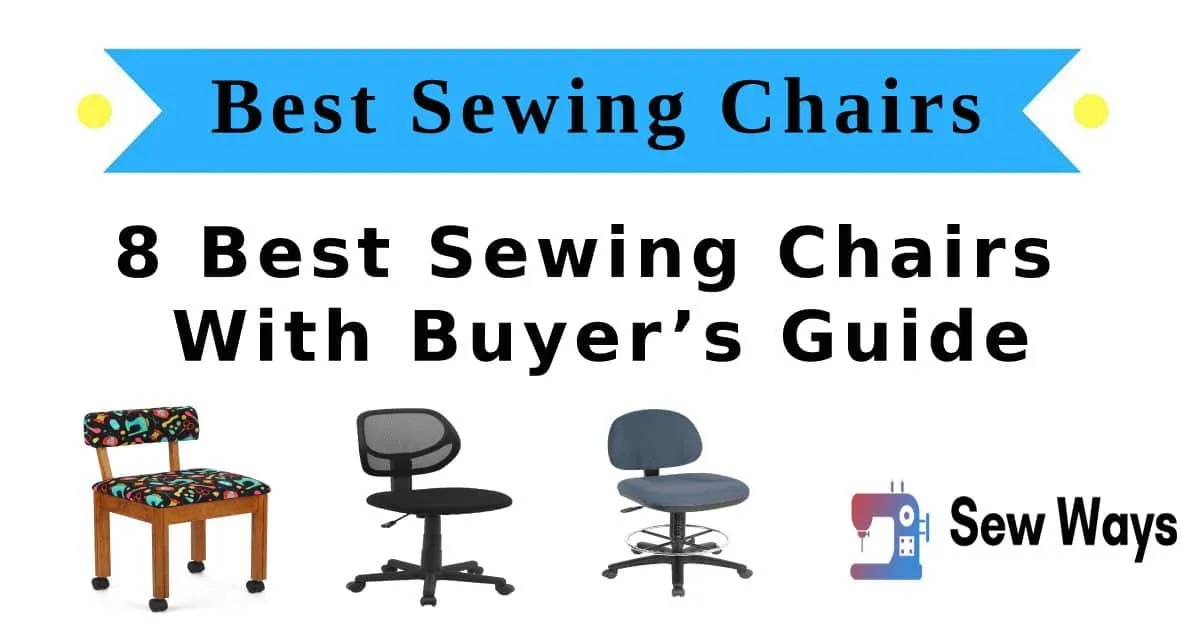
If you’ve ever spent hours at your sewing machine only to stand up with an aching back, stiff neck, or numb legs, you already know the importance of a proper sewing chair. The right ergonomic sewing chair can transform your crafting experience, allowing you to work comfortably for extended periods while maintaining good posture and preventing long-term musculoskeletal issues.
Why Ergonomics Matter for Sewists
Sewing requires sustained focus and repetitive motions that can strain your body when performed in poor posture. Unlike typical office work, sewing involves:
- Forward leaning to see detail work clearly
- Repeated arm movements for guiding fabric and operating the machine
- Extended periods of sitting without breaks
- Foot pedal operation that can create asymmetrical posture
An ergonomic sewing chair addresses these unique demands by providing proper lumbar support, adjustable height, and features that promote healthy alignment throughout your sewing sessions.
Key Features to Look for in the Best Sewing Chair
Adjustable Seat Height
The ideal sewing chair allows you to adjust the height so your feet rest flat on the floor (or footrest) while your thighs are parallel to the ground. Your elbows should bend at approximately 90 degrees when your hands rest on the sewing machine table. This positioning reduces strain on your shoulders and neck.
Lumbar Support
Quality lower back support is non-negotiable for long sewing sessions. Look for chairs with adjustable lumbar support that can be positioned to fit the natural curve of your spine. This prevents slouching and the resulting back pain that plagues many sewists.
Seat Depth and Width
A comfortable chair for sewing should have adequate seat depth (typically 17-20 inches) to support your thighs without pressure behind your knees. The seat should be wide enough to allow you to shift positions occasionally without feeling confined.
Swivel and Mobility
A chair that swivels and rolls easily on casters allows you to reach your cutting mat, ironing station, or fabric storage without straining. This mobility is especially valuable in smaller sewing spaces where every movement counts.
Armrests (Adjustable or Removable)
Armrests can be controversial for sewing. While they provide support when resting, they may interfere with getting close to your sewing machine. The best solution is a chair with adjustable or removable armrests that you can customize to your needs.
Top Ergonomic Sewing Chair Reviews
1. Herman Miller Aeron Chair
Best Overall Ergonomic Sewing Chair
The Aeron is the gold standard of ergonomic office chairs and translates beautifully to sewing use. Its PostureFit SL technology provides exceptional lumbar support, while the breathable mesh material prevents heat buildup during long sessions.
Pros:
- Highly adjustable (height, tilt, armrests, lumbar support)
- Excellent weight distribution prevents pressure points
- Durable construction with 12-year warranty
- Available in three sizes to fit different body types
Cons:
- Premium price point ($1,000+)
- May be overkill for occasional sewers
Best for: Serious sewists who spend multiple hours daily at their machines and view their chair as a long-term investment in their health.
2. Steelcase Leap Fabric Chair
Best for Customizable Support
The Leap chair features LiveBack technology that changes shape to support your spine’s natural movement. This dynamic support is particularly valuable for sewists who shift positions frequently while working on different project stages.
Pros:
- Natural Glide System allows comfortable recline
- Adjustable seat depth accommodates different leg lengths
- Arms adjust in four directions
- Made with recycled materials
Cons:
- Higher price range ($800-$1,000)
- Some users find the seat cushion firm initially
Best for: Sewists who value customization and want a chair that adapts to their movements throughout the day.
3. ErgoChair Pro by Autonomous
Best Mid-Range Option
This chair delivers impressive ergonomic features at a more accessible price point. The breathable mesh back and adjustable lumbar support provide comfort comparable to chairs twice its price.
Pros:
- Multiple adjustment points (height, tilt, armrests, headrest, lumbar)
- Breathable Italian mesh prevents sweating
- Sturdy construction supports up to 250 lbs
- Affordable ($400-$500)
Cons:
- Assembly required (30-45 minutes)
- Armrests not as smooth as premium chairs
Best for: Budget-conscious sewists who refuse to compromise on essential ergonomic features.
4. Salli SwayFit Saddle Chair
Best Alternative Seating Style
The saddle chair design places you in a position closer to standing, which can reduce lower back strain and improve circulation. This unconventional option has devoted fans in the sewing community.
Pros:
- Promotes upright posture naturally
- Reduces pressure on thighs and improves circulation
- Compact footprint ideal for small spaces
- Adjustable tilt mechanism
Cons:
- Requires adjustment period (1-2 weeks)
- No back support
- Higher price ($600-$800)
- May not suit everyone’s body type
Best for: Sewists with chronic lower back issues or those who prefer active sitting positions.
5. Boss Office Products Ergonomic Works Drafting Chair
Best Budget-Friendly Option
This drafting-style chair offers surprisingly good ergonomic support for sewists on a tight budget. The tall design works well with raised sewing tables, and the adjustable foot ring provides comfortable support.
Pros:
- Affordable ($150-$200)
- Extra height works with taller tables
- Padded armrests
- Easy assembly
Cons:
- Limited adjustability compared to premium options
- Padding may compress with heavy use
- Lower weight capacity (250 lbs)
Best for: Beginning sewists, those with raised sewing tables, or anyone needing an economical ergonomic solution.
6. Varier Variable Balans Kneeling Chair
Best for Active Sitting
The kneeling chair design distributes weight between your seat and shins, promoting an open hip angle and upright spine. Many sewists find this reduces fatigue during detail-heavy projects that require extended focus.
Pros:
- Naturally encourages good posture
- Reduces lower back pressure
- Compact and lightweight
- Unique aesthetic
Cons:
- Not suitable for those with knee issues
- Limited mobility (no wheels)
- Requires strong core muscles
- Takes time to adjust ($300-$400)
Best for: Sewists with good knee health who want to strengthen core muscles while working.
How to Set Up Your Sewing Chair for Maximum Comfort
Even the best ergonomic sewing chair won’t help if it’s not properly adjusted. Follow these steps:
- Adjust the height so your feet rest flat and your thighs are parallel to the floor
- Position lumbar support at the small of your back
- Set armrests (if using them) so your shoulders remain relaxed
- Ensure proper distance from your sewing machine—you shouldn’t have to reach forward
- Use a footrest if needed to achieve proper leg positioning
- Take regular breaks every 30-45 minutes to stand and stretch
Additional Tips for Preventing Sewing-Related Pain
Beyond investing in a comfortable chair for sewing, consider these strategies:
- Adjust your lighting to reduce neck strain from squinting
- Position your machine at the correct height relative to your chair
- Use an anti-fatigue mat when standing at cutting or ironing stations
- Practice the 20-20-20 rule: every 20 minutes, look at something 20 feet away for 20 seconds
- Incorporate stretches specifically targeting sewists’ common problem areas
Is an Expensive Ergonomic Chair Worth It?
The answer depends on how much you sew. If you’re at your machine several hours daily, investing $500-$1,000 in a quality ergonomic sewing chair can prevent medical bills and lost productivity from repetitive strain injuries. Many premium chairs come with warranties of 10-12 years, making the cost-per-use quite reasonable.
For hobbyists who sew a few hours weekly, a mid-range option ($200-$400) with key ergonomic features will provide significant benefits without breaking the bank.
Conclusion: Finding Your Perfect Sewing Chair
The best sewing chair is the one that fits your body, your budget, and your sewing habits. Whether you choose a traditional ergonomic office chair like the Herman Miller Aeron, an alternative style like the Salli saddle chair, or a budget-friendly option like the Boss drafting chair, prioritize adjustability, lumbar support, and comfort.
Remember that even the most expensive chair won’t prevent discomfort if you maintain poor posture or never take breaks. Combine your ergonomic seating with good sewing habits, and you’ll enjoy years of comfortable, productive crafting sessions.
Your body will thank you—and your sewing projects will benefit from the increased comfort and focus that proper ergonomic support provides.