
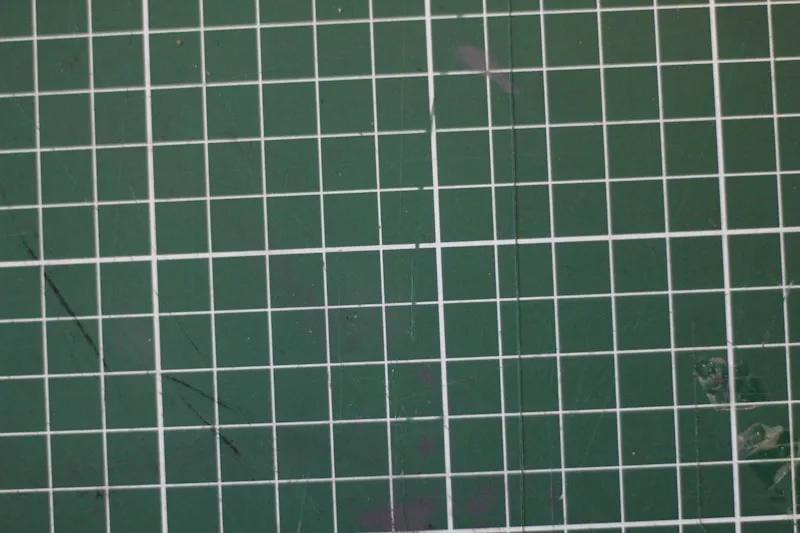
Every quilter knows that precision cutting is the foundation of beautiful quilt blocks. While scissors have their place, the best rotary cutter for fabric combined with a quality self-healing cutting mat can transform your cutting process, saving time and improving accuracy dramatically.
Understanding Rotary Cutters
A rotary cutter looks like a pizza cutter designed specifically for fabric. The circular blade rolls smoothly through multiple layers of fabric, making it ideal for cutting straight lines, curves, and intricate shapes with remarkable precision.
Rotary Cutter vs Scissors: Which is Better?
The rotary cutter vs scissors debate is common among beginners. Here’s what you need to know:
Rotary cutters excel at:
- Cutting multiple fabric layers simultaneously (up to 8 layers)
- Maintaining straight, accurate lines
- Reducing hand fatigue during long cutting sessions
- Speed and efficiency for repetitive cuts
- Preserving fabric grain by keeping material flat
Scissors are better for:
- Intricate curves and detailed appliqué work
- Thread snipping and small notches
- Working without a cutting mat
- Travel projects
For quilting and most sewing projects, a rotary cutter is essential. Most sewists keep both tools in their arsenal.
Best Rotary Cutters for Fabric
Olfa 45mm Rotary Cutter
Best Overall Rotary Cutter
The Olfa 45mm remains the gold standard for quilters. This Japanese-made cutter features:
- 45mm blade size (perfect balance of control and cutting power)
- Ergonomic handle that reduces wrist strain
- Safety lock that engages automatically
- Durable construction that lasts for years
- Widely available replacement blades
The 45mm size cuts through 6-8 layers of cotton fabric effortlessly while maintaining excellent control around curves. It’s the size professional quilters reach for most often.
Fiskars 45mm Comfort Loop Rotary Cutter
Best for Arthritis or Hand Pain
Fiskars revolutionized rotary cutter ergonomics with their Comfort Loop design. The unique handle accommodates all four fingers, distributing pressure evenly and reducing strain. Features include:
- Loop handle design for reduced hand fatigue
- Ambidextrous use
- Secure blade cover
- Excellent value for the quality
This cutter is particularly recommended for sewists with arthritis, carpal tunnel, or anyone who experiences hand discomfort during extended cutting sessions.
Olfa 28mm Rotary Cutter
Best for Curves and Detail Work
The smaller 28mm blade offers superior control for intricate cutting:
- Navigates tight curves smoothly
- Perfect for appliqué and small pieces
- Less intimidating for beginners
- Ideal for travel and small projects
While it won’t power through as many fabric layers as the 45mm, the precision makes it invaluable for detailed work.
Olfa 60mm Rotary Cutter
Best for Long Cuts and Multiple Layers
When you’re cutting long strips or working with thick batting, the 60mm blade is your best friend:
- Cuts through 10+ fabric layers
- Makes quick work of border strips
- Reduces the number of passes needed
- Ideal for cutting yardage
The larger blade requires more hand strength to control, so it’s not recommended as your only cutter.
Martelli Ergo 2000 Rotary Cutter
Best Premium Option
This ergonomically designed cutter features a unique curved handle that keeps your wrist in a natural position:
- Reduces repetitive strain injuries
- Comfortable grip for extended use
- Squeeze-handle safety mechanism
- Made in the USA
- Higher price point but exceptional quality
Professional quilters and those who cut for hours daily often consider this investment worthwhile.
Self Healing Cutting Mat Reviews
A quality cutting mat is just as important as your rotary cutter. Self-healing mats are designed so the blade creates microscopic separations that close back up after cutting, extending the mat’s life significantly.
Fiskars Self-Healing Rotary Cutting Mat
Best Value Cutting Mat
Fiskars offers exceptional quality at an accessible price point:
- True self-healing surface lasts for years
- Grid lines printed on one side, measurements on both
- Non-slip backing
- Available in multiple sizes (12x18“, 18x24“, 24x36“)
- Excellent grid accuracy
The 18x24“ size is ideal for most quilters, providing enough space for cutting fat quarters and standard fabric widths.
Olfa Self-Healing Rotary Mat
Best Premium Cutting Mat
Olfa’s cutting mats match their cutter quality:
- Superior self-healing properties
- Printed grid doesn’t wear off
- Bias lines at 30°, 45°, and 60° angles
- Extremely durable surface
- Lays completely flat
The double-sided design offers gridded measurements on both sides, extending the mat’s useful life even further.
Creative Grids Cutting Mat
Best for Precision Work
Creative Grids specializes in ruler and mat accuracy:
- Grid lines accurate to within 1/16“
- Yellow lines on white background (high contrast)
- Non-slip surface holds fabric securely
- Excellent for foundation piecing
- Trusted by precision quilters
The high-contrast markings make this mat particularly helpful for those with vision challenges.
Omnigrid Mat with 1“ Grid
Best for Large Projects
Omnigrid’s larger mats excel for bed-sized quilts:
- Available up to 36x59“
- Sturdy construction doesn’t warp
- Clear 1“ grid with 1/8“ increments
- Excellent for cutting backing fabric
- Can handle commercial cutting demands
The larger sizes require dedicated workspace but are invaluable for big projects.
Choosing the Right Size Cutting Mat
Consider your typical projects and workspace:
- 12x18“: Travel, small projects, limited space
- 18x24“: Sweet spot for most quilters, handles fat quarters perfectly
- 24x36“: Serious quilters, larger workspace, cutting multiple layers
- 36x59“: Professional use, large quilts, commercial work
Many quilters own multiple sizes: a large mat for their main cutting table and a smaller portable mat for classes or traveling.
Maintaining Your Tools
Blade Care
- Replace blades when you feel skipping or need multiple passes
- Clean blades with rubbing alcohol to remove fabric residue and adhesive
- Store cutters with safety locks engaged
- Never cut over pins or thick seams
Mat Care
- Store flat or hanging (never rolled)
- Keep away from direct heat and sunlight
- Clean with mild soap and water
- Rotate periodically to distribute wear
- Don’t leave in hot cars (warping risk)
Essential Accessories
Clear Quilting Rulers
A rotary cutter requires a ruler to guide straight cuts. Essential sizes include:
- 6x24“ for cutting strips and borders
- 12.5“ square for squaring up blocks
- 6x12“ for general cutting
Blade Disposal Container
Rotary cutter blades are extremely sharp and dangerous when discarded. Use a proper sharps container or blade disposal case to safely store used blades.
Cutting Glove
A cut-resistant glove worn on your non-cutting hand provides protection from slips. Many quilters consider this essential safety equipment.
Building Your Cutting Station
For maximum efficiency, arrange your cutting station with:
- Proper height: Cutting table should be counter height (36“) to reduce back strain
- Good lighting: Task lighting directly over the mat
- Tool storage: Keep rulers, cutters, and mats within easy reach
- Pressing station nearby: Quick access to your iron improves workflow
Tips for Rotary Cutting Success
- Apply even pressure: Let the blade’s sharpness do the work, don’t force it
- Cut away from your body: Always push the cutter away for safety
- Use a sharp blade: Dull blades are dangerous and produce poor cuts
- Secure your ruler: Hold firmly to prevent shifting during cuts
- Start slowly: Practice control before attempting intricate cuts
- Keep perpendicular: Hold the cutter at 90° to the mat for best results
Cost Considerations
Expect to invest:
- Basic rotary cutter: $15-25
- Premium rotary cutter: $30-50
- Replacement blades (5-pack): $15-25
- 18x24“ cutting mat: $20-35
- 24x36“ cutting mat: $35-60
- Quality quilting ruler set: $40-80
This investment pays dividends in accuracy, speed, and enjoyment. Quality tools properly maintained last for decades.
The Bottom Line
The best rotary cutter for fabric depends on your specific needs. For most quilters, the Olfa 45mm rotary cutter paired with an 18x24“ Fiskars or Olfa self-healing cutting mat provides the ideal combination of quality, versatility, and value.
If you experience hand discomfort, invest in the Fiskars Comfort Loop or Martelli Ergo design. Serious quilters working on large projects benefit from owning multiple cutter sizes (28mm for curves, 45mm for general use, 60mm for long cuts) and a larger cutting mat.
Remember that these tools are an investment in your craft. Buying quality upfront saves money in the long run and makes every cutting session more enjoyable and precise.